
Remembering Loved Ones Across Cultures in New Jersey
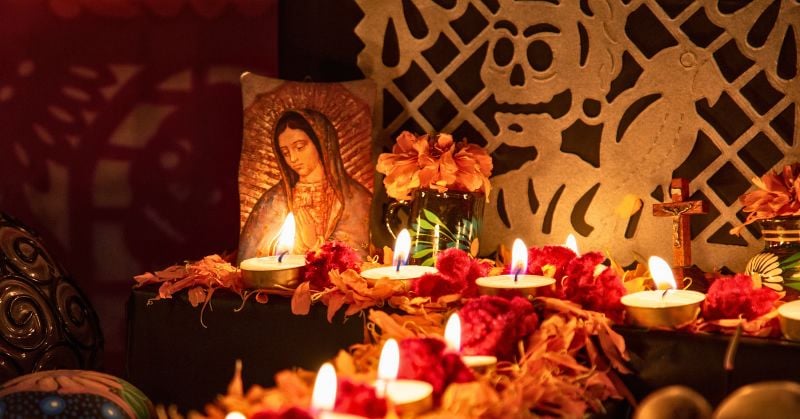
For a lot of New Jersey families, remembering loved ones continues long after the funeral. Some visit the cemetery on All Souls’ Day in November. Others gather for prayers, hold a memorial service months later, or mark the anniversary of a death each year.
Madonna Multinational Funeral Home serves families from Mexico, the Dominican Republic, Peru, Nigeria, and many other countries. Some continue the traditions they grew up with, even when relatives now live in different parts of the world.
These customs are not limited to one time of year. Some start shortly after a funeral service, while others continue for years. For families living in New Jersey, these traditions can also provide meaningful ways to maintain connections to their cultural heritage and loved ones buried overseas.
Why Are November 1 and 2 Important to Many Families?
November 1 is All Saints’ Day, when Catholics honor saints. November 2 is All Souls’ Day, also known as the Commemoration of All the Faithful Departed.
The Catholic Church also encourages prayer for the dead throughout November. Some parishes keep a book of names or offer additional Masses for the dead during the month.
Although these dates are recognized worldwide, specific customs vary widely. A family’s cultural background, personal faith, and household practices all play a role in how these occasions are observed.
Remembrance Traditions Across Four Cultures
November is an important time for remembrance in parts of Latin America, but families also honor those who have died throughout the year. These traditions continue in New Jersey and in their home countries.
Mexico and Día de Muertos
Día de Muertos is observed on November 1 and 2, and in some places the preparations begin in late October. Families build an ofrenda at home, a table or altar that holds photographs, candles, and marigolds called cempasúchil. They also set out pan de muerto and the dishes the person who passed away liked best.
In many communities, November 1 is set aside for children who have died, while November 2 is for adults. Families may clean and decorate graves or spend time together at the cemetery.
In 2008, UNESCO added the observance to its Representative List of the Intangible Cultural Heritage of Humanity. Families interested in learning more can explore UNESCO’s description of Mexico’s Indigenous festivity dedicated to the dead, which highlights the importance of family offerings, remembrance, and the connection between generations.
The Dominican Republic and Día de los Fieles Difuntos
In some Dominican communities, families gather for a novenario, nine days of prayer following a death. Others observe cabo de año, a remembrance held around the first anniversary. The gathering may include a Mass or family meal.
November 2 is also observed as Día de los Fieles Difuntos. Families visit cemeteries to clean graves and bring flowers or velones, the tall candles used during prayer.
These observances may look different from one family to another, but prayer, family gatherings, and honoring the deceased often remain central to the remembrance.
Peru on November 1 and 2
Peruvian families may observe November 1 as Día de Todos los Santos and November 2 as Día de los Difuntos. Families may go to the cemetery with flowers and food the person enjoyed. Some also bring music or gather to pray.
The customs change by region. In Cusco, families prepare tanta wawas, sweet breads shaped like babies, as part of the observance. In Piura, families take part in velaciones, visiting cemeteries at night and lighting candles near graves and niches.
For Peruvian families living in New Jersey, gathering for prayer, preparing traditional foods, or attending Mass can help preserve these customs even when they cannot travel home for the observance.
Nigerian Memorial and Thanksgiving Services
Unlike the November observances in Mexico and Peru, many Nigerian memorial traditions take place days, months, or years after a funeral. Practices also differ among Igbo, Yoruba, Hausa, and other communities, as well as between Christian and Muslim families.
Some Nigerian Christian families hold a Thanksgiving Mass or service following a funeral. Others gather for memorial prayers or services in the months that follow. A one-year remembrance service is also part of some families’ traditions and may mark the end of a mourning period.
Because Nigerian funeral and memorial customs vary considerably by community and faith, families may wish to discuss their specific religious and cultural practices with their funeral director when planning a service.
Keeping Family Traditions Across Two Countries
Many New Jersey families have relatives living overseas. When someone is buried in another country, those relatives may visit the grave while family members here attend Mass or gather for prayers at home.
Being in different countries does not mean everyone has to observe the occasion in the same way. One household may visit the cemetery, while another keeps a photograph and candle at home. Both can remember the person on the same date.
Some gatherings require advance planning. Relatives traveling for a novenario or anniversary service may need to arrange flights. Families planning a Mass should also contact their parish early to ask about available dates.
It helps to talk over any religious or cultural requests with the funeral director when making arrangements. These might include a rosary during visitation, additional time for relatives traveling from abroad, or plans for burial in another country.
Madonna Multinational Funeral Home can also help arrange international transportation when a family wishes to bury someone overseas.
If your family is planning a culturally significant funeral, memorial gathering, or burial in another country, contact Madonna Multinational Funeral Home to discuss your traditions and transportation needs. Our team can help coordinate arrangements that respect your family’s wishes.
Remembering Family Throughout the Year
Families may also remember someone on the anniversary of their death, their birthday, or another date that held special importance.
Thanksgiving can be particularly difficult when someone who was always part of the gathering is no longer there. Some families prefer to keep their usual traditions, while others decide to do things differently.
Holidays and anniversaries can bring back feelings of grief, even years after a death. Families that are looking for additional help and support can find articles and resources through Madonna Multinational Funeral Home’s Grief and Healing resources page.
Common Questions About Cultural Remembrance Traditions
Is Día de Muertos the Same as Halloween?
No. Halloween falls on October 31 and has different roots. Día de Muertos takes place on November 1 and 2 and is a time for families to remember relatives who have passed. The two dates are close together, but Día de Muertos centers on prayer, family visits to the cemetery, and the ofrenda at home.
How Can You Request a Mass for Someone Who Died?
Call or visit the parish office and ask to schedule a Mass intention for the person. Some parishes ask for a small offering, and the amount varies by parish. November 2 is a popular date, and a specific date such as the anniversary of your loved one’s death may already be booked, so it helps to call several weeks ahead if you have a specific date in mind.
Can Catholic Families Keep Cremated Remains at Home?
According to Catholic guidance, cremated remains should generally be placed in a cemetery, mausoleum, or columbarium rather than kept at home or scattered. The Catholic Church permits limited exceptions under specific circumstances and with appropriate Church authorization. Its guidance also addresses requests to preserve a small portion of ashes in certain meaningful places, subject to ecclesiastical approval and other conditions.
Families can review the Vatican’s guidance on the preservation of cremated remains and speak with their parish about their particular circumstances. A funeral director can explain the cemetery and niche options available in New Jersey.
Can Someone Be Buried in Their Home Country?
Yes, many families arrange for a loved one to be buried in Mexico, the Dominican Republic, Peru, Nigeria, or another country. This usually requires a death certificate, permits, and potentially additional documentation or consular authorization, depending on the destination. The timeline can vary by country.
Madonna Multinational Funeral Home handles international shipping of remains and can coordinate these steps with the family. Families can also learn more about Madonna’s international transportation services before making arrangements.
Honoring Cultural Traditions With a Funeral Home in Passaic, NJ
Madonna Multinational Funeral Home arranges funerals, cremation, and international transportation for families of many nationalities and faiths. A funeral director can walk you through the options and plan a service that honors your family’s customs and traditions.
We serve families in Passaic, Bergen, Essex, Hudson, Morris, and Union counties.
Whether your family is planning a traditional funeral, an international burial, or a memorial service that reflects your cultural heritage, Madonna Multinational Funeral Home is here to help you navigate the arrangements with care and respect.
To speak with a funeral director in Passaic, NJ, call (973) 777-6011 or contact Madonna Multinational Funeral Home online.
